

 047 531 2217
 admin@ludadaandassociates.com
 Mon to Fri 08:00 - 17:00 | Saturday 08:00 - 13:00 | Sunday Closed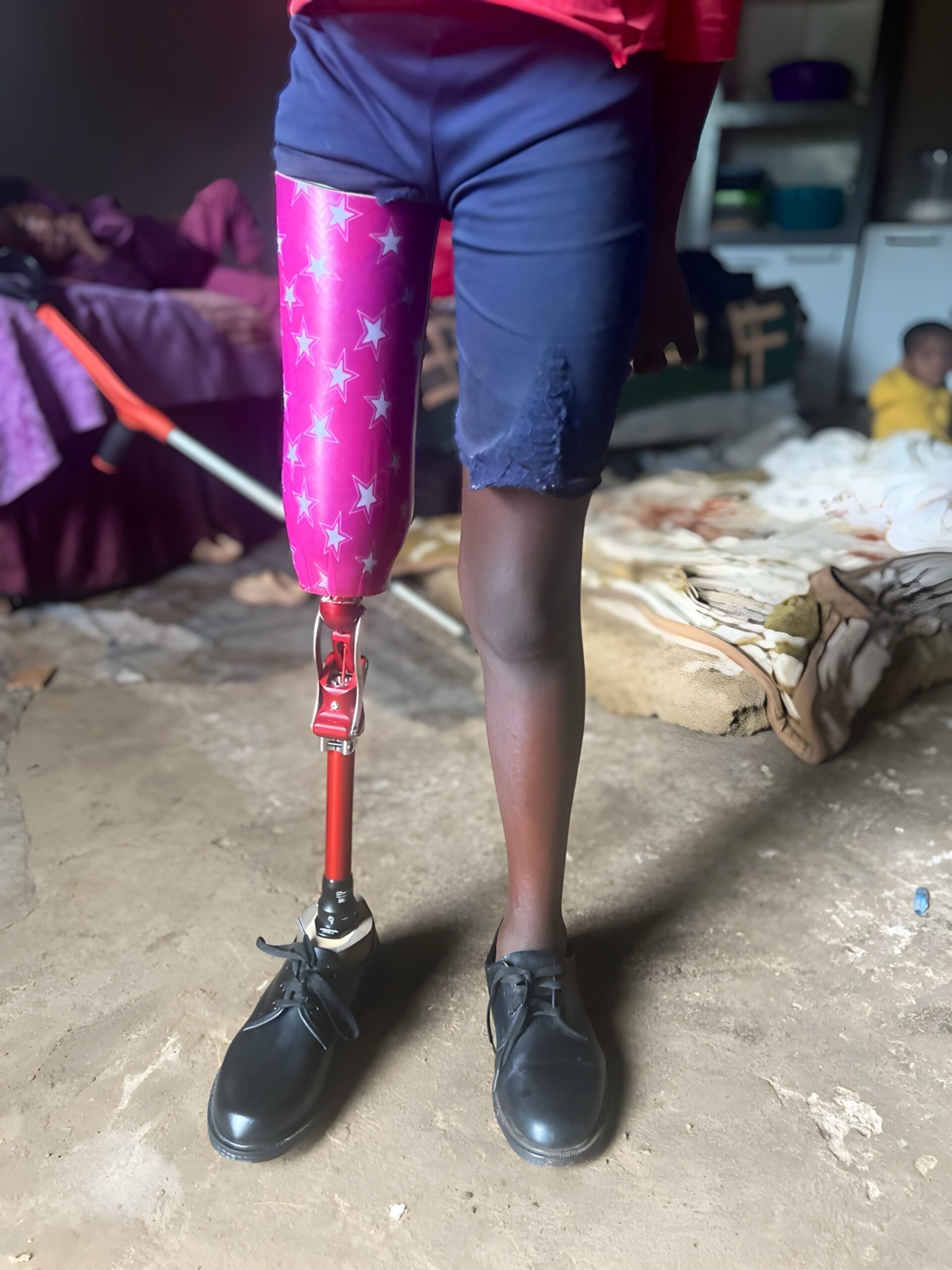
From Waiting to Walking: 8-Year-Old Gains Independence with New Prosthetic Limb
28 April 20251. OVERVIEW
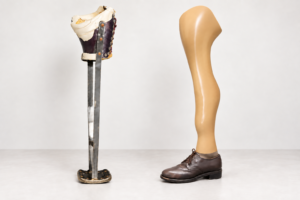
Figure 1. Straight-leg calliper & New PFFD Prosthesis
After more than 40 years of dissatisfaction with a straight-leg calliper, she finally sought for a different but satisfying device solution.
With a referring Doctor indicating that his patient has already rejected a newly manufactured modern Orthoprosthesis, claiming it was heavy and cumbersome. That is how the concept of a new PFFD Prosthesis came about. To develop an alternative device that is light, with a natural-looking profile without compromising the functional status. Fast forward the first PFFD prototype was developed in September 2024 and fitted in May 2025.
The patient has continued using the prototype throughout the 12-month audit period to date.
The aim of the blog article is to share clinician-observed outcomes from a 12 months retrospective clinical audit. To serves as a proof of concept in developing evidence based and testable hypothesis in order to conduct a scientific study. Therefore, the purpose of this article is to develop a clinically grounded and testable hypothesis for a formal scientific research study.
Evaluating feasibility of PFFD Prosthesis as an alternative solution for management of patients with PFFD condition.
2. INTRODUCTION
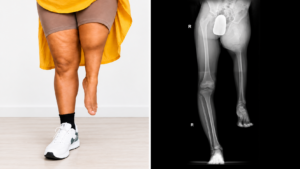
Figure 2. Clinical and radiographic presentation of PFFD.
One condition. Six alternative device configurations. Yet none had fully satisfied this patient.
Proximal Femoral Focal Deficiency (PFFD) is a rare congenital anomaly characterised by incomplete development and variable shortening of the femur. Its presentation may include limb malrotation, substantial limb-length discrepancy and abnormalities of the iliofemoral articulation. Because the anatomical presentation varies considerably, detailed assessment of the hip, knee, foot and remaining limb is necessary to guide management (Bryant and Epps, 1991).
Management is therefore individualised according to the anatomical severity, joint stability, functional characteristics of the affected limb and magnitude of the limb-length discrepancy (Panting and Williams, 1978). In more severe presentations, the discrepancy may prevent the affected foot from reaching the ground, requiring an external assistive device to facilitate standing and walking.
For the purposes of this article, six representative assistive-device configurations used in the management of PFFD are presented in Figure 3. These configurations illustrate how external devices have evolved to accommodate the shortened limb, compensate for limb-length discrepancy and facilitate standing and walking. Namely
- Shoe raise: A substantial build-up fitted beneath the shoe to compensate for limb-length discrepancy when the affected foot can be accommodated within conventional footwear.
- Patten raise: An elevated metal framework that supports the shoe above the ground to compensate for a greater limb-length discrepancy.
- Straight-leg calliper: A traditional weight-bearing device constructed primarily from leather and metal. It accommodates the shortened limb and uses long metal extensions terminating in a distal footplate to restore functional length.
- Historic orthoprosthesis: A design combining an orthotic interface with a metal extension framework to accommodate the affected limb and compensate for limb-length discrepancy.
- Modern orthoprosthesis: A more contemporary design manufactured using thermoplastic orthotic materials and prosthetic components. Depending on its distal construction, the device may accommodate conventional footwear.
- Current orthoprosthesis: A contemporary configuration incorporating carbon-based orthotic materials, a modular prosthetic pylon and a prosthetic foot.
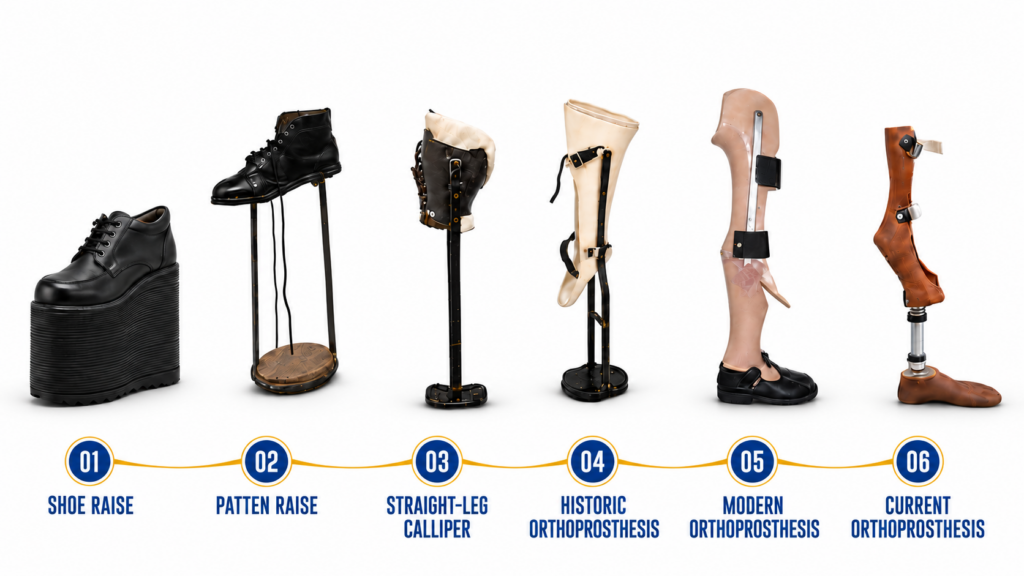
Figure 3. Six representative assistive-device configurations used in PFFD management.
3. PROBLEM STATEMENT
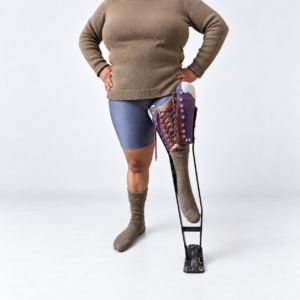
Figure 4. Straight-Leg Calliper.
The patient had relied on a straight-leg calliper for approximately 40 years.
Although the device supported her mobility and daily activities, she reported longstanding dissatisfaction with its weight, worn condition, bulky appearance and tendency to damage or catch on her clothing. These limitations negatively affected her satisfaction with the device’s appearance, as well as her self-image and confidence. A subsequently manufactured modern orthoprosthesis was also rejected because she found it heavy, bulky and cumbersome.
She therefore sought a lighter, more natural-looking assistive-device solution that could maintain her established level of function while better meeting her personal and aesthetic needs.
4. SOLUTION
A PFFD Prosthesis
The patient did not simply require another version of the devices she had already rejected. She needed a solution designed around her anatomy, lived experience and the concerns she had expressed after nearly 40 years of wearing a straight-leg calliper. The clinical challenge was therefore to preserve the mobility and stability on which she depended while creating a device that was lighter, less cumbersome and more natural in appearance.
This led to the development of a custom PFFD Prosthesis. Instead of suspending the shortened limb above a long metal calliper frame, the affected limb was accommodated within a custom-made socket designed to provide secure containment, controlled weight transfer and improved control of the prosthesis.
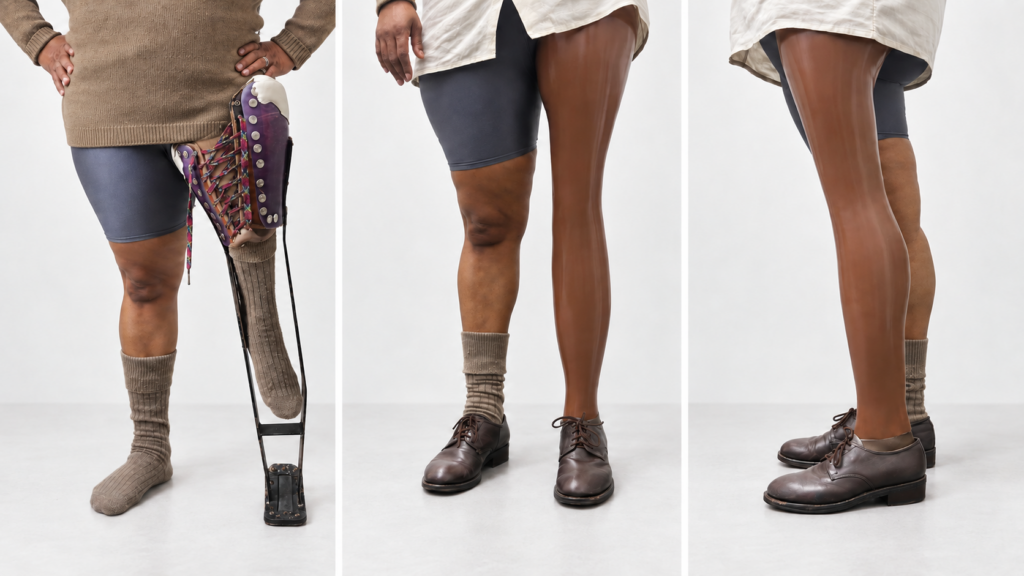
Figure 5. Transition from the straight-leg calliper to the new PFFD Prosthesis.
5. RESULTS
As a proof-of-concept case, the audit drew on routine clinical follow-up, clinician observations, patient feedback, documented communication and real-world device use. No formal laboratory testing or validated patient-reported outcome measures were used. Five clinically relevant outcomes emerged from the 12-month journey. They are reported as observations from one case and are presented in no particular order.
a. Device Appearance
Figure 6: Comparison of straight-leg calliper to a PFFD Prosthesis
Appearance is clinically relevant because lower-limb difference may influence an individual’s perception of their body. Holzer et al. (2014) found significantly lower body-image scores among people with lower-limb amputations than among matched controls, including lower appearance-evaluation and lower-extremity body-area satisfaction scores. This supports the inclusion of body image as an outcome in future evaluation of the PFFD Prosthesis. The audit therefore examined how the physical profile of the new PFFD Prosthesis addressed this concern and documented the patient’s response during fitting and follow-up.
To address the appearance of the weight-bearing straight-leg calliper, the exposed mechanical sidebars and leather components were replaced by a more streamlined prosthetic design, contoured to resemble the contralateral sound limb (see figure below). This resulted in a substantially different visual profile between the two devices.
At delivery, the patient reported that she preferred the appearance of the new PFFD Prosthesis (see Figure 7). Self-image was not assessed with a validated patient-reported outcome measure. The available feedback should therefore be interpreted as a documented positive response to the appearance of the device, supported by clinician observations and photographic comparison, rather than as an objectively measured improvement in self-image.
b. Ability to Wear Conventional Footwear
Footwear contributes to the overall appearance and everyday acceptability of an assistive device. Because aesthetics were important in this case, the ability to use conventional footwear became a relevant proof-of-concept outcome for the new PFFD Prosthesis.
With the previous straight-leg calliper, the mechanical distal configuration limited the integration of conventional footwear into the device. To address this limitation, the metal distal structure was replaced by a combination of an ankle block and prosthetic foot, allowing a conventional shoe to be worn directly on the prosthetic foot.
During fitting, the patient reported satisfaction with being able to wear and interchange conventional shoes with the prosthesis, instead of positioning a shoe on the shortened limb independently of the distal device. This represented a substantial change from her experience after approximately 40 years of using the straight-leg calliper.
The finding is supported by documented photographs and videos showing the patient wearing conventional footwear with the new prosthesis and expressing satisfaction with this capability (see Figure 20).
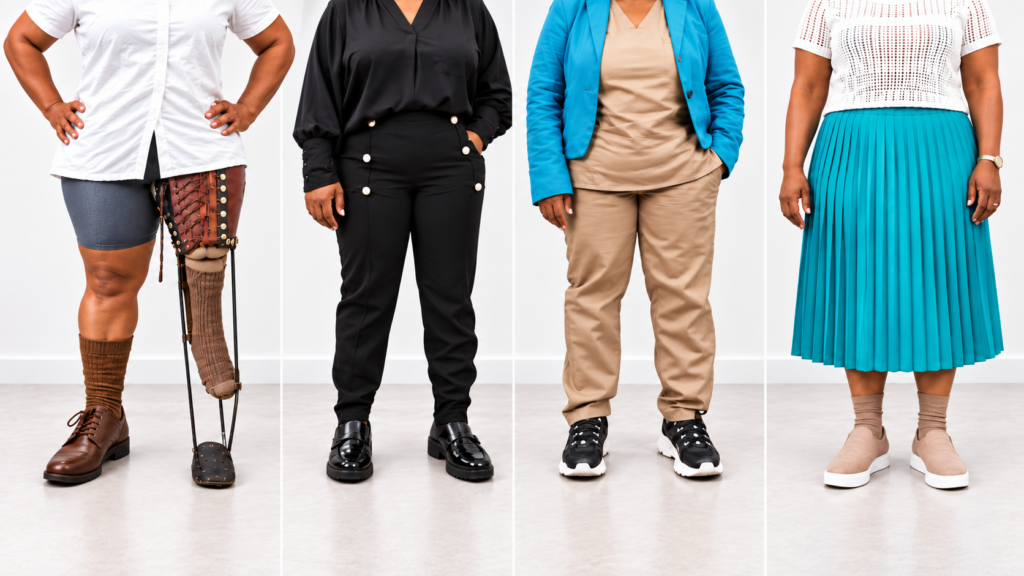
Figure 7: Straight-Leg Calliper vs PFFD Prosthesis with varied conventional shoes
c. Maintained Functional Capabilities
The patient had used her weight-bearing straight-leg calliper successfully for many years. It enabled her to work, participate in community life and engage in sporting activities. The proof-of-concept audit therefore examined whether she continued these established activities while using the new PFFD Prosthesis.
Particular attention was given to comfort at the newly introduced weight-bearing areas. Soft interfaces and padding were incorporated around pressure-sensitive areas, including the proximal socket and foot interface, with the aim of improving comfort during prolonged device use.
Over the 12-month period, the patient continued to perform activities that she had previously undertaken while using the straight-leg calliper. Documented milestones included attending work, participating in sporting activities and independently using the new PFFD prosthesis for routine daily mobility.
The audit did not use validated functional outcome measures and cannot demonstrate an objective improvement in functional capacity. Its observations are limited to documented activities and clinical follow-up.
The available records indicate that the patient-maintained activities previously undertaken with the weight-bearing straight-leg calliper while using the new PFFD Prosthesis. This observation supports the feasibility of the concept but does not establish equivalent or superior functional performance.
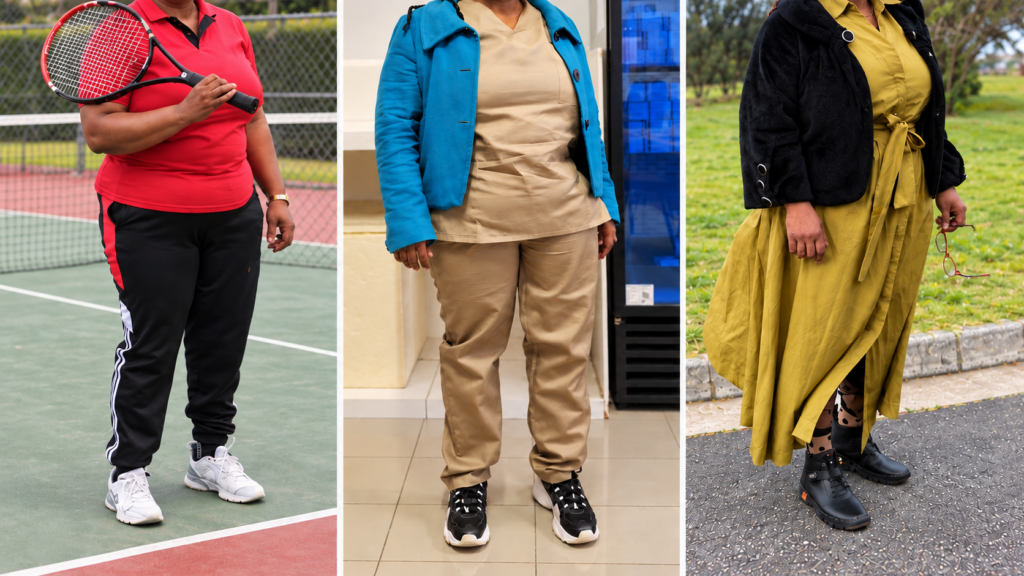
Figure 8: Photos showing maintenance of sporting activity, work participation and community participation
d. Preference of the New PFFD Prosthesis
Perhaps one of the most meaningful indicators of device acceptance in this case was the patient’s subsequent pattern of device use.
Following fitting of the new PFFD prosthesis, the patient discontinued use of her weight-bearing straight-leg calliper. After relying on the calliper for approximately 40 years, she transitioned to the new PFFD prosthesis as her primary device for daily mobility.
This pattern of use was sustained throughout the 12-month audit period. Importantly, this occurred while the patient continued with her established activities, including work, routine community mobility and sporting activities.
No validated device-satisfaction or adherence questionnaire was administered. Exclusive use of the new prosthesis should therefore not be interpreted as an objective measure of superior clinical performance. Within this individual proof-of-concept case, sustained adoption is best regarded as a clinician-observed indicator of device acceptance, supported by the patient’s documented feedback and pattern of use.
Taken together, the patient’s feedback on appearance and footwear, the introduction of a different weight-bearing configuration, maintenance of documented activities and sustained use of the prosthesis identify outcomes that merit formal scientific study. They do not establish the efficacy or superiority of the new design.
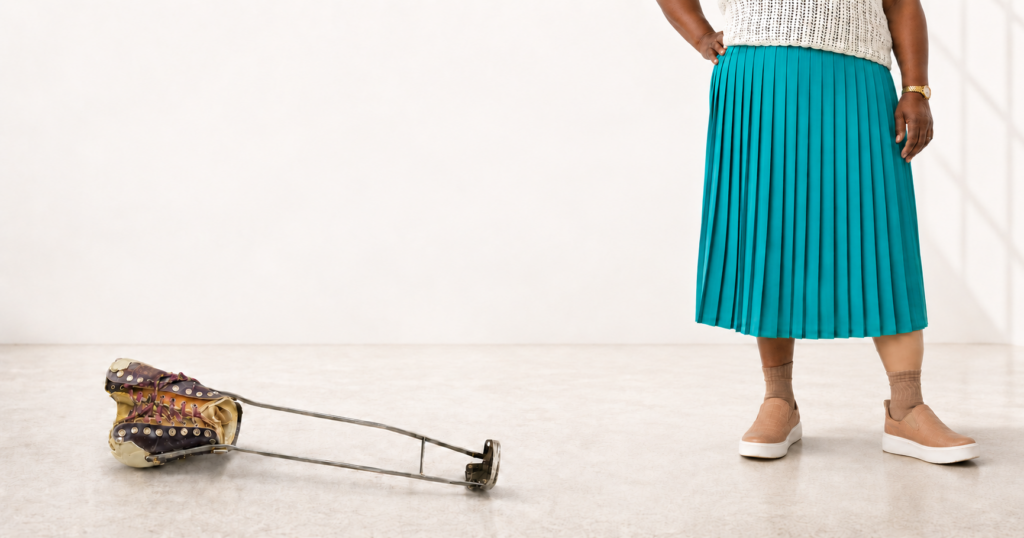
Figure 9: Transition from straight-leg calliper to PFFD Prosthesis
6. DISCUSSION
This 12-month retrospective clinical audit examined the use of a new custom-made PFFD Prosthesis in a single patient as a clinical proof of concept. The audit documents feasibility, clinician-observed outcomes and routinely recorded patient feedback; it does not formally measure patient satisfaction or establish comparative effectiveness. Throughout follow-up, the patient maintained her established activities, reported positive experiences regarding device appearance and the ability to wear conventional footwear, and adopted the PFFD Prosthesis as her primary device. These observations provide preliminary, hypothesis-generating clinical evidence to support further systematic scientific investigation.
a. Device Appearance
Device appearance was a central factor in this patient’s decision to seek an alternative. Although the weight-bearing straight-leg calliper had enabled her to work, participate in community life and engage in sporting activities for more than 40 years, functional performance alone did not address her dissatisfaction. She described the calliper as worn out, heavy and aesthetically unappealing, and reported that its exposed metal components damaged her work uniform. She had also rejected another replacement device because she considered it bulky, heavy and cumbersome.
For this patient, device acceptance appeared to depend on preserving established function while addressing personal priorities related to the device’s physical characteristics and appearance. The new PFFD Prosthesis was therefore designed to maintain the support previously provided by the calliper while creating a more streamlined and natural-looking leg profile based on the contour of the contralateral limb. Its design also accommodated conventional footwear, further supporting a more typical external appearance.
The patient’s positive response and continued use of the new prosthesis suggest that its appearance addressed an important source of her previous dissatisfaction. However, self-image, satisfaction and perceived appearance were not assessed using validated patient-reported outcome measures; consequently, the audit cannot quantify the extent of any change. This finding is limited to documented patient feedback, clinician observations and photographic comparison. Nevertheless, it is consistent with published research indicating that device appearance may contribute to dissatisfaction with assistive technology Senjam et al. (2025). Similarly, although conducted predominantly among paediatric ankle-foot orthosis users and therefore not directly comparable with an adult PFFD prosthesis, Prarthana et al. (2025) identified appearance, fit and social stigma as important concerns associated with assistive-device satisfaction and use. These findings support considering appearance as a clinically relevant component of device acceptance.
b. Ability to Wear Conventional Footwear
The ability to wear conventional footwear represented a clear practical difference between the new PFFD Prosthesis and the previous straight-leg calliper. The calliper terminated in a mechanical foot plate that functioned as its distal weight-bearing surface. This configuration did not accommodate a conventional shoe on the affected side. In contrast, the new design incorporated an ankle block and prosthetic foot over which an ordinary shoe could be worn.
This change allowed the patient to wear conventional footwear on both sides and to interchange shoes according to her clothing, activities and personal preferences. Footwear therefore became part of the overall presentation of the prosthesis rather than remaining separate from the device. During fitting and follow-up, the patient specifically expressed a positive response to being able to wear ordinary shoes with the affected limb—a substantial change after approximately four decades of using the straight-leg calliper foot plate.
The audit cannot isolate or quantify the contribution of conventional footwear to overall device acceptance because this outcome was not assessed using a validated measure. Nevertheless, the documented patient feedback and photographic evidence identify the ability to wear conventional footwear as a meaningful outcome and an important area for future investigation.
c. Maintenance of Functional Capabilities
An important observation from this audit was that the patient continued performing the activities she had previously undertaken while using the straight-leg calliper. She was already functionally active before receiving the new PFFD Prosthesis; therefore, the clinical objective was not to address substantial functional limitation, but to introduce a different prosthetic design without disrupting her established independence and daily routine.
During the 12-month follow-up period, documented milestones showed that the patient continued attending work, participating in sporting and community activities, driving and independently using the new PFFD Prosthesis for routine mobility. Her continued participation in these activities suggests that the transition to the new device did not prevent her from maintaining her established lifestyle.
No validated functional outcome measures or formal comparative tests were administered. The audit therefore cannot demonstrate improved functional capacity or establish functional equivalence between the new prosthesis and the straight-leg calliper. Its findings are limited to documented activities, routine clinical observations and patient feedback.
For this proof of concept, the maintenance of established activities remains clinically relevant. It supports further investigation of a design intended to address device appearance, conventional footwear and acceptance while preserving the functional capabilities already achieved by the patient. Formal comparative assessment is required to evaluate this outcome.
d. Sustained Use of New PFFD Prosthesis
The patient discontinued the weight-bearing straight-leg calliper on which she had relied for approximately 40 years and adopted the new PFFD Prosthesis as her primary device for daily mobility. This pattern continued throughout the 12-month audit period, including after routine adjustments made to improve the device’s length, comfort, contour and finish. Sustained use represents one of the most clinically relevant real-world observations from this proof-of-concept case.
This behavioural outcome is particularly relevant because the patient had previously rejected a replacement device that did not meet her expectations regarding weight, bulk and appearance. Her continued use of the PFFD Prosthesis, together with ongoing participation in work, sport, driving and community activities, provides clinician-observed evidence of device acceptance within this individual case.
Sustained adoption does not establish superior clinical performance or formally demonstrate patient satisfaction. No validated device-satisfaction, adherence or quality-of-life measures were administered, and several factors may have influenced the patient’s device choice. Nevertheless, within the limitations of this retrospective clinical audit, adoption of the new prosthesis as the patient’s primary device supports the feasibility and acceptability of the design and identifies sustained device use as an important outcome for future prospective investigation.
7. IMPLICATIONS
a. Patient-Centred Designs
This case highlights the importance of incorporating patient priorities into assistive-device design and prescription. Although the previous straight-leg calliper provided established function, the patient reported concerns regarding its weight, bulk, appearance, effect on clothing and inability to accommodate conventional footwear. The clinical challenge was therefore to identify which functional characteristics needed to be retained and which physical features the patient wanted changed.
The new PFFD Prosthesis was developed in response to these priorities. Its design sought to preserve the support and independence previously achieved with the calliper while reducing device weight, creating a more natural leg profile and accommodating conventional footwear. This approach recognised that successful assistive-device provision involves more than achieving mechanical function; the device must also be acceptable to the person who is expected to use it in everyday life.
The patient’s sustained adoption of the prosthesis also illustrates the importance of continued follow-up and responsive adjustment. Patient-centred design should therefore be understood as an ongoing clinical process involving shared decision-making, fitting, feedback and refinement rather than a single manufacturing event.
b. New PFFD Prosthesis Design
This case introduces a potential additional approach to assistive-device management for adults with PFFD. The new PFFD Prosthesis combines prosthetic socket principles with orthotic and prosthetic leg-shaping techniques. It treats the shortened limb as a residual limb within a prosthetic socket while using the contralateral limb as a reference for shaping the external contour. The design aims to preserve established function while providing a more streamlined leg profile, conventional footwear compatibility and an alternative weight-bearing configuration.
The clinical implication is that PFFD device design may be able to address function and appearance as complementary objectives. In addition to mechanical support and mobility, the design process may consider device weight, external profile, footwear compatibility, interaction with clothing and the patient’s personal preferences. These factors may influence whether a prescribed device is accepted and used consistently.
The patient’s sustained adoption of the prosthesis also highlights the importance of continued clinical review. Adjustments to length, comfort, alignment, contour and cosmetic finish were made during the 12-month period, indicating that successful provision may require an iterative process rather than a single definitive fitting.
This case does not establish that the new design is superior to existing PFFD devices or appropriate for all patients. Instead, it expands the range of possible assistive-device strategies and provides preliminary, hypothesis-generating clinical knowledge. Further research should establish appropriate clinical indications and evaluate function, comfort, safety, appearance, footwear compatibility and device acceptance using validated outcome measures and larger patient samples.
8. LIMITATIONS
a. Single-Patient Retrospective Audit
This audit involved a single patient; therefore, its findings cannot be generalised to the wider population of people with PFFD. Individual anatomical presentation, functional ability, previous device experience, personal priorities and access to clinical follow-up may influence outcomes and device acceptance.
The audit was retrospective and relied on routinely collected clinical records, documented communication, photographs, videos, clinician observations and patient feedback rather than a prospectively defined research protocol. Data collection was therefore not standardised, and the available evidence may be incomplete or subject to recall, documentation and observer bias.
Accordingly, this audit should be interpreted as a clinical proof of concept rather than evidence of clinical efficacy or comparative effectiveness. Its observations provide preliminary, hypothesis-generating evidence to inform future prospective studies involving larger and more diverse patient samples.
b. Validated Research Tools
Patient satisfaction and prosthesis-related quality of life were not assessed using a validated instrument such as the Prosthesis Evaluation Questionnaire (PEQ). Consequently, the audit cannot quantify outcomes related to appearance, perceived response, utility, mobility, social burden or general well-being (Legro et al., 1998). The audit therefore cannot quantify patient satisfaction, establish clinical efficacy or safety, demonstrate functional equivalence or superiority over the weight-bearing straight-leg calliper, or determine causal relationships between individual design features and the observed outcomes.
The reported findings are limited to routinely documented patient feedback, clinician observations, photographic and video evidence, recorded device use and participation in established activities. These sources provide clinically relevant observations but do not replace standardised outcome assessment or controlled comparative testing.
Within these limitations, the 12-month clinical journey provides preliminary, hypothesis-generating evidence. The patient’s feedback regarding device appearance and conventional footwear, continued participation in work, sport and community activities, use of the alternative weight-bearing configuration and sustained adoption of the prosthesis identify relevant outcomes for more systematic prospective investigation.
9. FUTURE RESEARCH
Future research should assess device acceptance and prosthesis-related quality of life using validated patient-reported outcome measures. The Prosthesis Evaluation Questionnaire includes domains relevant to this case, particularly appearance, utility, ambulation, perceived response, social burden and well-being (Legro et al., 1998). Following this initial proof of concept, a staged research programme is required to evaluate the new PFFD Prosthesis systematically.
a. Patient Satisfaction and Device Acceptance: The next study should prospectively evaluate patient satisfaction and device acceptance using validated patient-reported outcome measures for sufficient number of participants.
b. Biomechanical Evaluation: The weight-bearing principles of the design require scientific investigation. Gait analysis, socket-pressure mapping, plantar-pressure assessment, alignment evaluation and kinetic and kinematic measurements could clarify how loads are transferred through the shortened limb and prosthetic components. This research should also examine stability, balance and compensatory movement patterns.
c. Comparative Effectiveness: A controlled comparative study should evaluate the PFFD Prosthesis against other relevant management options, including the straight-leg calliper and existing orthoprosthetic designs. Outcomes should include function, mobility, comfort, appearance, device weight, conventional footwear compatibility, energy expenditure, satisfaction, participation and sustained use. The objective should be to determine comparative performance rather than assume superiority in advance.
d. Patient Experience and Psychosocial Outcomes: Qualitative interviews could explore how device appearance, clothing, footwear, body image, confidence and social participation influence acceptance. Including patients in the design process may identify priorities that are not captured adequately by functional outcome measures alone.
e. Economic and Service-Delivery Evaluation: Future studies should assess manufacturing costs, clinical time, adjustment requirements, maintenance expenses and cost-effectiveness relative to existing devices. The reproducibility of the manufacturing process across clinicians and facilities should also be evaluated.
Together, these studies would determine whether the observations from this single-patient audit can be reproduced, identify which patients are most likely to benefit and establish the function, safety, acceptability and comparative value of the PFFD Prosthesis.
10. RESEARCH AND CLINICAL COLLABORATION
This 12-month retrospective clinical case audit represents an early step in evaluating the PFFD Prosthesis. The observations from this case support the need for broader clinical and scientific investigation.
Ludada and Associates Orthopaedic Services (LAOS) welcomes collaboration with universities, researchers, clinicians, students and other professionals interested in advancing the study of prosthetic management for people with PFFD.
Potential areas of research include biomechanical assessment, gait analysis, pressure distribution, patient-reported outcome measures, functional outcomes, comparative studies and longer-term clinical follow-up.
Healthcare Professionals and Hospitals
We also invite orthopaedic surgeons, rehabilitation specialists, physiotherapists, occupational therapists, orthotists and prosthetists, hospitals and rehabilitation facilities caring for patients with PFFD to connect with us.
Healthcare professionals or institutions who are aware of individuals with PFFD who may be interested in future research are encouraged to contact LAOS. Any participation in future studies would be subject to the appropriate research protocol, ethical approval and informed consent requirements.
11. CONCLUSION
The 12-month retrospective clinical audit provides an initial proof of concept for a new custom-made PFFD Prosthesis in a single patient. Throughout the follow-up period, the treating clinician documented continued participation in the patient’s established work, sporting, driving and community activities; positive patient feedback regarding device appearance and the ability to wear conventional footwear; use of an alternative weight-bearing configuration; and sustained adoption of the prosthesis as her primary device.
These observations support the clinical feasibility and acceptability of the design within this individual case and provide preliminary, hypothesis-generating evidence for further investigation. However, they do not establish clinical efficacy, safety, functional equivalence or scientific superiority over existing PFFD management options.
Prospective research involving validated patient-reported outcome measures, objective functional and biomechanical assessment, formal safety monitoring, comparative testing and a larger, more diverse patient population is required to determine the broader clinical value of the PFFD Prosthesis.
Help us Take the Research Further
Interested in PFFD Prosthetic Care?
For patients, families, clinicians or healthcare professionals seeking an assessment or wishing to refer a patient.
Refer a Patient or Request Consultation
If interested in Research & Clinical Collaboration we welcome enquiries from universities, researchers, clinicians and students interested in PFFD prosthetic research, clinical collaboration, case studies and further validation of this approach.
Enquire about Research Collaboration
Whether you are interested in research collaboration, or clinical collaboration, or discussing potential future study participation we welcome the opportunity to connect.
References
- Children’s Hospital of Philadelphia. Proximal femoral focal deficiency. https://www.chop.edu/conditions-diseases/proximal-femoral-focal-deficiency
- Pritham CH. Biomechanics and shape of the above knee socket considered in light of the ischial containment concept. Prosthetics and Orthotics International. 1990;14:9–21. doi:10.3109/03093649009080311.
- Senjam SS, Manna S, Titiyal JS, Kumar A, Kishore J. User satisfaction and dissatisfaction with assistive technology devices and services in India. Scientific Reports. 2025;15:671. doi:10.1038/s41598-024-82160-w.
- Lall Sanya Prarthana, Chauhan Pooja, Bansal Avijit, Handa Gita. Assessing patient use and satisfaction with ankle foot orthoses and service. Journal of Rehabilitation and Assistive Technologies Engineering. 2025;12:1–11. doi:10.1177/20556683251359194.
- Panting AL, Williams PF. Proximal femoral focal deficiency. Journal of Bone and Joint Surgery British Volume. 1978;60-B(1):46–52. doi:10.1302/0301-620X.60B1.627578.
- Bryant DD, Epps CH. Proximal femoral focal deficiency: evaluation and management. Orthopedics. 1991;14(7):775–784.
- Legro MW, Reiber GD, Smith DG, Del Aguila M, Larsen J, Boone D. Prosthesis evaluation questionnaire for persons with lower limb amputations: assessing prosthesis-related quality of life. Archives of Physical Medicine and Rehabilitation. 1998;79(8):931–938. doi:10.1016/S0003-9993(98)90090-9.
- Holzer LA, Sevelda F, Fraberger G, Bluder O, Kickinger W, Holzer G. Body image and self-esteem in lower-limb amputees. PLOS ONE. 2014;9(3):e92943. doi:10.1371/journal.pone.0092943